

Childhood Vaccination Schedule in UAE: A Parent’s Complete Guide
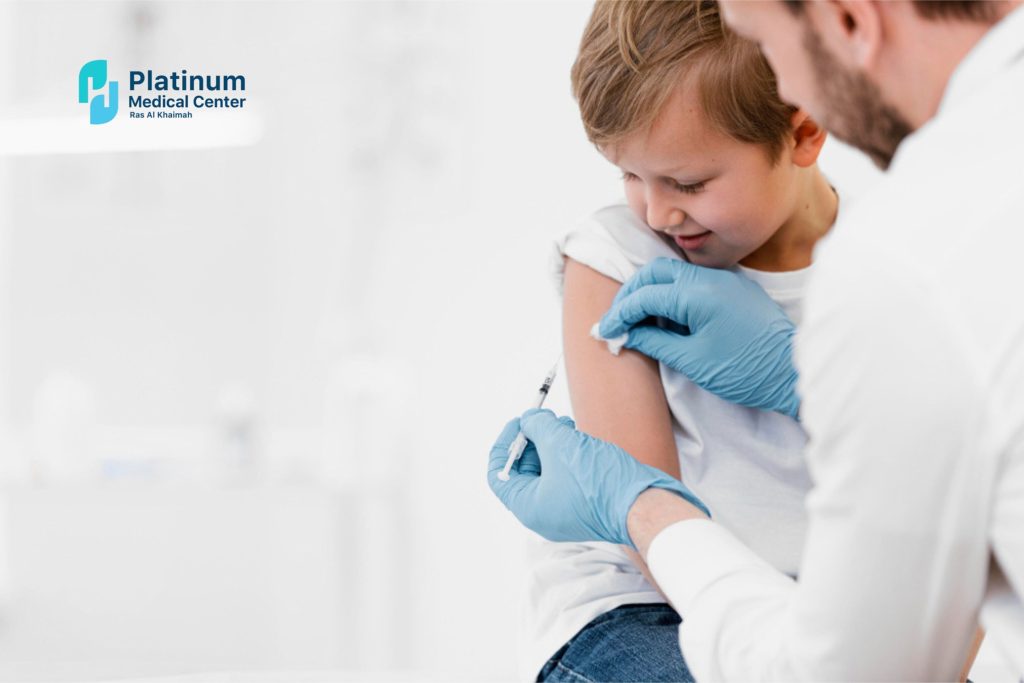
Every parent wants to give their child the healthiest possible start in life. One of the most effective ways to protect children from serious infectious diseases is through timely vaccination. Vaccines have transformed modern healthcare by preventing illnesses that once caused severe complications, lifelong disabilities, and even death.
Understanding the childhood vaccination schedule in UAE helps parents ensure their children receive the right vaccines at the right age. Following the recommended immunization schedule not only protects individual children but also reduces the spread of infectious diseases within families, schools, and communities.
The UAE has one of the world’s most comprehensive childhood immunization programs. The vaccination schedule is carefully developed using international scientific evidence and recommendations from health authorities to provide protection against diseases such as measles, polio, hepatitis B, diphtheria, tetanus, pertussis, tuberculosis, rotavirus, pneumococcal disease, and many others.
Many parents have questions about vaccines. Are they safe? What happens if a vaccine is delayed? What side effects are normal? How can parents prepare their child for vaccination? Understanding these topics helps parents make informed decisions while ensuring children receive the protection they need during their early years.
This comprehensive guide explains the childhood vaccination schedule in UAE, why vaccines are essential, common childhood vaccines, possible side effects, and the importance of regular pediatric follow-up to support healthy child development.
Quick Answer: What Is the Childhood Vaccination Schedule in UAE?
The childhood vaccination schedule in UAE is a nationally recommended immunization program that protects children from serious infectious diseases beginning at birth and continuing throughout childhood. Vaccines are administered at specific ages to provide immunity before children are exposed to potentially dangerous infections. Following the schedule recommended by healthcare professionals helps ensure maximum protection during every stage of growth.
What Is Childhood Vaccination?
Childhood vaccination, also known as childhood immunization, is the process of giving vaccines that help a child’s immune system recognize and fight harmful bacteria and viruses. Rather than causing illness, vaccines safely stimulate the body’s natural defense system to produce antibodies that protect against future infections.
Vaccination is considered one of the greatest achievements in public health. Diseases that once affected millions of children worldwide have become rare in countries with high vaccination coverage because immunization significantly reduces disease transmission.
Every vaccine undergoes extensive clinical research and continuous monitoring before being recommended for routine use. Healthcare authorities carefully evaluate each vaccine’s safety, effectiveness, and long-term benefits to ensure children receive reliable protection.
Parents often worry about exposing young babies to vaccines. However, infants are actually more vulnerable to infections because their immune systems are still developing. Vaccination provides protection during this critical period when serious illnesses can be most dangerous.
Why Are Childhood Vaccinations So Important?
Vaccines do much more than prevent individual illnesses. They protect families, schools, communities, and future generations from infectious disease outbreaks.
Without widespread vaccination, diseases such as measles, polio, and whooping cough can spread rapidly, particularly among infants and children with weakened immune systems. High vaccination rates create community protection, often referred to as herd immunity, which helps protect individuals who cannot receive certain vaccines due to medical conditions.
Childhood vaccination also reduces hospital admissions, prevents lifelong disabilities, lowers healthcare costs, and allows children to attend school safely.
For parents, vaccination provides reassurance that their child is protected against diseases that could otherwise cause severe complications.
Protection During the Most Vulnerable Years
Babies and young children have developing immune systems that are more susceptible to infections than adults. Some diseases progress much faster in infants and can lead to hospitalization or long-term complications.
Vaccines provide protection before exposure occurs, giving children the best opportunity to grow and develop in good health.
Long-Term Health Benefits
Vaccination benefits extend far beyond childhood. Many vaccines provide long-lasting immunity that continues into adolescence and adulthood.
Children who complete their vaccination schedule are less likely to develop serious infections that could affect their education, physical development, hearing, vision, or overall quality of life.
Vaccination also contributes to healthier communities by reducing disease outbreaks and protecting vulnerable populations.
How Do Vaccines Work?
Understanding how vaccines work helps many parents feel more confident about childhood immunization.
When harmful bacteria or viruses enter the body naturally, the immune system must learn to recognize and fight them. This process takes time, during which the child may become seriously ill.
Vaccines work by introducing a safe, weakened, inactive, or carefully prepared part of a virus or bacteria that cannot cause the disease itself. This allows the immune system to recognize the germ and produce protective antibodies without causing severe illness.
If the child later comes into contact with the real disease, the immune system remembers how to fight it quickly, preventing illness or significantly reducing its severity.
This natural immune memory is why vaccines remain one of the safest and most effective methods of disease prevention.
Childhood Vaccination Schedule in UAE
The UAE follows a carefully planned vaccination schedule that begins immediately after birth and continues throughout childhood. Each vaccine is administered at the age when it provides the greatest protection.
Parents should always follow the schedule recommended by their pediatrician or healthcare provider to ensure timely immunization.
UAE Childhood Vaccination Schedule (Recommended Guide)
| Child’s Age | Recommended Vaccines | Diseases Prevented |
| At Birth | BCG, Hepatitis B | Tuberculosis, Hepatitis B |
| 2 Months | DTaP, IPV, Hib, PCV, Rotavirus | Diphtheria, Tetanus, Pertussis, Polio, Hib infections, Pneumococcal disease, Rotavirus |
| 4 Months | DTaP, IPV, Hib, PCV, Rotavirus | Continued protection against serious childhood infections |
| 6 Months | DTaP, IPV, Hepatitis B, Influenza (if recommended) | Additional immune protection |
| 12 Months | MMR, PCV Booster | Measles, Mumps, Rubella |
| 18 Months | DTaP Booster, Hib Booster | Continued long-term protection |
| Preschool Age | Booster vaccines | Ongoing immunity before school |
| School Age | Recommended booster vaccinations | Long-term disease prevention |
Understanding Each Childhood Vaccine
Many parents recognize vaccine names but may not know exactly what each one protects against. Understanding the purpose of every vaccine can help parents appreciate why each dose is an important part of their child’s healthcare journey.
BCG Vaccine
The BCG vaccine is usually given shortly after birth to help protect infants against severe forms of tuberculosis (TB). Although tuberculosis is less common today than in previous decades, it remains an important public health concern in many parts of the world.
Young children are particularly vulnerable to severe complications from tuberculosis, including infections that affect the brain and other organs. Early vaccination provides valuable protection during infancy when children are most at risk.
Hepatitis B Vaccine
Hepatitis B is a viral infection that affects the liver and can lead to chronic liver disease later in life. Because infection can occur at birth or during early childhood, the first dose of the Hepatitis B vaccine is administered soon after delivery.
Completing the recommended vaccine series significantly reduces the risk of chronic hepatitis, liver cirrhosis, and liver cancer associated with long-term infection.
DTaP Vaccine
The DTaP vaccine protects against three serious bacterial diseases:
- Diphtheria
- Tetanus
- Pertussis (Whooping Cough)
These infections can cause severe breathing problems, muscle spasms, heart complications, and even death in young children. Multiple doses are required during infancy and childhood to build strong and lasting immunity.
Polio (IPV) Vaccine
Polio is a highly contagious viral disease that primarily affects the nervous system and can lead to permanent paralysis. Although global vaccination efforts have dramatically reduced the number of polio cases worldwide, maintaining high vaccination coverage remains essential to prevent its return.
The Inactivated Polio Vaccine (IPV) is administered in multiple doses during infancy and early childhood to build strong immunity. Completing the full vaccination series is crucial, as partial vaccination may not provide adequate protection. Parents should ensure their child receives every scheduled dose according to the UAE childhood vaccination schedule.
Haemophilus influenzae Type b (Hib) Vaccine
The Hib vaccine protects children against infections caused by Haemophilus influenzae type b bacteria. Before the introduction of this vaccine, Hib was one of the leading causes of bacterial meningitis in young children.
Besides meningitis, Hib bacteria can also cause pneumonia, bloodstream infections, and inflammation of the joints. These illnesses can develop rapidly and may result in serious complications if left untreated.
Vaccinating infants during the first year of life significantly reduces the risk of these potentially life-threatening infections.
Pneumococcal (PCV) Vaccine
Pneumococcal disease is caused by Streptococcus pneumoniae bacteria and can lead to serious illnesses such as pneumonia, meningitis, bloodstream infections, and ear infections.
Young children are particularly vulnerable because their immune systems are still developing. The Pneumococcal Conjugate Vaccine (PCV) provides protection against several strains of these bacteria, reducing the risk of hospitalization and severe complications.
Completing all recommended doses ensures long-term protection during early childhood.
Rotavirus Vaccine
Rotavirus is one of the most common causes of severe diarrhea and dehydration in infants and young children. Before widespread vaccination, many children required hospitalization due to complications caused by rotavirus infection.
The rotavirus vaccine is given orally during infancy and helps protect against severe gastroenteritis. Although vaccinated children may still experience mild stomach infections, vaccination greatly reduces the risk of severe dehydration and hospitalization.
MMR Vaccine (Measles, Mumps, and Rubella)
The MMR vaccine protects children against three highly contagious viral diseases.
Measles
Measles can cause high fever, rash, pneumonia, and inflammation of the brain. It spreads rapidly among unvaccinated children and remains one of the most contagious infectious diseases worldwide.
Mumps
Mumps primarily affects the salivary glands but can also cause hearing loss, meningitis, and inflammation of the reproductive organs.
Rubella
Although rubella is generally mild in children, it can cause severe birth defects if contracted during pregnancy. Vaccinating children helps protect both individuals and the wider community.
The MMR vaccine provides long-lasting protection and has played a major role in reducing outbreaks globally.
Are Childhood Vaccines Safe?
One of the most common questions parents ask is whether vaccines are safe. The answer is yes. Childhood vaccines undergo extensive scientific research, multiple phases of clinical trials, and continuous safety monitoring before they are approved for use.
After approval, health authorities continue monitoring vaccine safety through national and international surveillance programs. If any unexpected safety concerns arise, they are investigated promptly.
The benefits of vaccination far outweigh the small risk of temporary side effects. Vaccines have prevented millions of illnesses and saved countless lives worldwide.
Common Side Effects After Vaccination
Most children experience only mild side effects following vaccination. These reactions indicate that the immune system is responding appropriately.
Common side effects include:
- Mild fever
- Temporary redness at the injection site
- Swelling or tenderness
- Irritability
- Mild sleepiness
- Reduced appetite for a short period
These symptoms usually resolve within one or two days without complications.
When Should Parents Seek Medical Advice?
Although serious reactions are extremely rare, parents should seek immediate medical attention if their child experiences:
- Difficulty breathing
- Persistent high fever
- Severe allergic reactions
- Continuous crying lasting several hours
- Seizures
- Loss of consciousness
Healthcare providers are trained to recognize and manage these situations promptly.
What Happens If Your Child Misses a Vaccine?
Many parents worry if they miss a scheduled vaccination appointment due to illness, travel, or other reasons.
Fortunately, missing one appointment does not usually mean the entire vaccination series must be restarted. Healthcare providers can develop a catch-up vaccination schedule to ensure the child receives the remaining doses safely.
However, delaying vaccinations leaves children vulnerable to preventable diseases for a longer period. Parents should contact their pediatrician as soon as possible if a vaccine appointment is missed.
How Parents Can Prepare Their Child for Vaccination
Preparing children for vaccination can make the experience less stressful for both parents and children.
Before the Appointment
Ensure your child is well-rested and hydrated. Dress infants in clothing that allows easy access to the thigh or upper arm. Bring the child’s vaccination record to every appointment.
If your child is old enough to understand, explain the procedure honestly using simple and reassuring language.
During Vaccination
Remain calm and comfort your child by holding them close or speaking softly. Babies often benefit from breastfeeding immediately before or after vaccination, while older children may feel reassured by distraction techniques such as toys or storytelling.
After Vaccination
Most children return to normal activities shortly after vaccination. Encourage adequate fluid intake and monitor for mild side effects such as soreness or low-grade fever.
Follow any instructions provided by your healthcare professional regarding fever management or aftercare.
Common Myths About Childhood Vaccines
Misinformation about vaccines continues to circulate online. Understanding the facts helps parents make informed healthcare decisions.
Myth: Vaccines Cause Autism
Extensive scientific research conducted over many years has found no evidence that childhood vaccines cause autism. This claim originated from a study that has since been withdrawn and discredited.
Myth: Natural Infection Is Better Than Vaccination
Natural infection may provide immunity, but it also exposes children to potentially serious complications such as pneumonia, meningitis, paralysis, or death.
Vaccines provide protection without exposing children to these risks.
Myth: Too Many Vaccines Overload the Immune System
Children encounter thousands of bacteria and viruses every day through normal activities. The immune system is capable of responding to multiple vaccines safely and effectively.
Modern vaccines contain far fewer antigens than vaccines used decades ago while providing broader protection.
When Should You Visit a Pediatric Doctor?
Parents should consult a pediatric doctor if:
- A child has missed scheduled vaccinations.
- There are questions about vaccine safety.
- The child has chronic medical conditions.
- There is a history of severe allergic reactions.
- Parents require advice before international travel.
- A child develops unusual symptoms after vaccination.
Regular pediatric consultations ensure vaccinations remain up to date and provide opportunities to monitor overall growth and development.
Childhood Vaccination Services at Platinum Medical Center
Protecting children through timely vaccination is an essential part of preventive pediatric healthcare.
At Platinum Medical Center, pediatric services include vaccination counseling, routine childhood immunizations, developmental monitoring, growth assessments, preventive health checkups, and comprehensive child wellness care. Parents receive guidance on recommended vaccines, vaccination schedules, and individualized healthcare plans to support healthy childhood development.
Conclusion
Following the childhood vaccination schedule in UAE is one of the most effective ways to protect children from preventable diseases and support lifelong health. Vaccines not only safeguard individual children but also help protect families, schools, and communities by reducing the spread of infectious diseases.
Building a Healthy Future Through Timely Vaccination
Parents play an important role in ensuring vaccinations are received on time, attending regular pediatric checkups, and staying informed about recommended immunizations. Working closely with a trusted healthcare provider helps children receive timely preventive care and the best possible start in life.
If you are looking for a pediatric clinic in Ras Al Khaimah, choosing a healthcare provider that offers comprehensive childhood vaccinations, developmental monitoring, and preventive pediatric care can help ensure your child grows up healthy, protected, and confident.
The UAE vaccination schedule includes vaccines against tuberculosis, hepatitis B, diphtheria, tetanus, pertussis, polio, Hib infections, pneumococcal disease, rotavirus, measles, mumps, and rubella, among others.
Many childhood vaccines are part of the UAE National Immunization Programme and are strongly recommended to protect children from preventable diseases.
Contact your pediatric doctor as soon as possible. A catch-up vaccination schedule can usually be arranged without restarting the entire vaccine series.
Yes. Vaccines undergo extensive safety testing and continuous monitoring before and after approval. Serious side effects are very rare.
Yes. Giving more than one vaccine during the same visit is safe and recommended by health authorities. It helps ensure children remain protected according to the recommended schedule.
Most children experience only mild side effects such as redness at the injection site, low-grade fever, temporary fussiness, or mild swelling, which usually resolve within a few days.
In many cases, children with mild illnesses can still receive their vaccinations. However, parents should consult their pediatric doctor for individual advice.
Booster doses strengthen immunity over time and help maintain long-term protection against infectious diseases as children grow older.
Recent Blogs
- IV Vitamin Therapy: What You Should Know Before Your First Session
- Post-Pregnancy Care for New Mothers: A Complete Guide to Recovery After Childbirth
- Childhood Vaccination Schedule in UAE: A Parent’s Complete Guide
- Iron Deficiency in Women: Signs You Shouldn’t Ignore
- Growth & Development Milestones Every Parent Should Know
- Common Gynecological Problems Women Should Not Ignore
- Early Signs Your Body Is Asking for a Health Checkup
- Essential Tests During Pregnancy: A Complete Guide for Expecting Mothers
- Common Health Problems in the UAE & How to Prevent Them
- Women’s Health: Understanding Hormonal Changes

